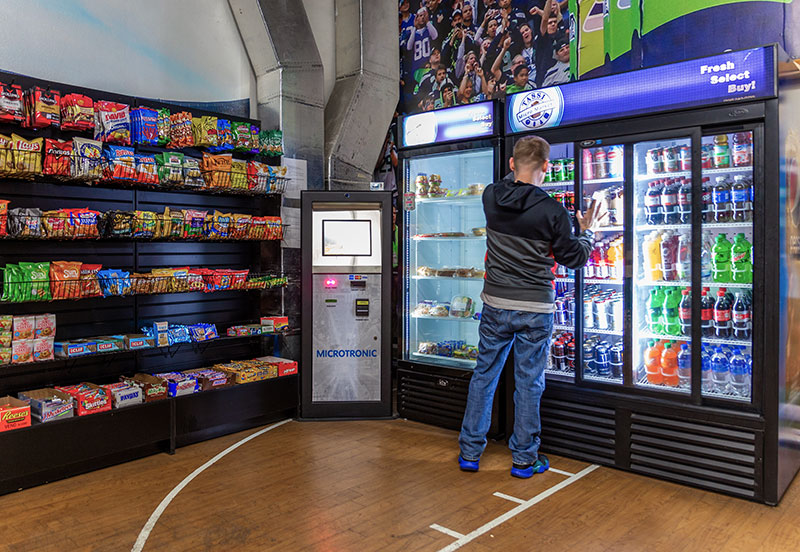
Today’s author with https://tassivending.com/ shall explain the cost difference between Micro-Market food vending and vending machines for your business.
Micro markets have surged in popularity as modern workplaces seek fresher food options, better employee amenities, and flexible self-checkout technology. But one question business owners ask often is:
“Are micro markets actually more affordable than vending machines?”
The short answer: For most workplaces—YES.
But the full answer depends on the size of your workforce, product selection, provider model, and how you define “affordable.”
Below is a clear, unbiased breakdown of the costs and savings associated with micro markets vs. vending machines.
Understanding the Big Difference: Cost to Employer
- Traditional Vending Machines
Most vending machine agreements are zero cost to the employer.
However, they come with limitations:
- Limited product options (soda, candy, chips)
- Small capacity, leading to stockouts
- Outdated payment systems
- Lower employee satisfaction
- Higher number of service calls
So while vending machines cost nothing upfront, they may cost in reduced productivity or poor employee experience.
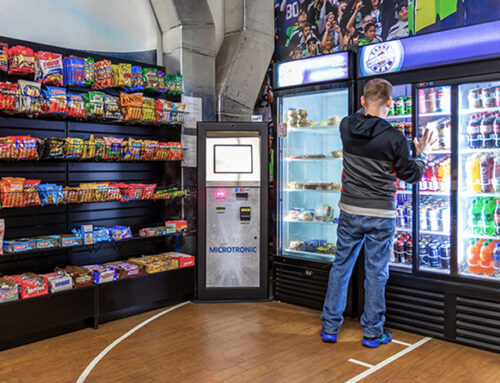
- Micro Markets
Most micro markets also operate on a no-cost-to-employer model.
The provider pays for:
- Installation
- Fixtures and equipment
- Kiosk technology
- Inventory
- Maintenance and restocking
Employers only provide space and electrical outlets—no rent, no service fees, no stocking responsibilities.
This surprises many business owners who assume micro markets are expensive.
Cost Comparison: Micro Market vs. Vending Machine
Installation & Setup Costs
| Cost Factor | Vending Machines | Micro Market |
| Installation | $0 | $0 (most providers) |
| Space requirement | Small | Moderate |
| Customization | Limited | Fully customizable |
| Aesthetics | Basic | Modern + professional |
Winner: Both, depending on space available.
Pricing of Products
Employees often pay less at a micro market because:
- More competition in product pricing
- Ability to stock affordable fresh items
- No need to inflate prices due to vending machine limitations
- Lower spoilage due to smarter rotation
Example:
Bottled beverage in vending machine: $2.25–$3.00
Same beverage in micro market: $1.50–$2.25
Winner: Micro markets.
Product Waste & Spoilage
Vending machines have a fixed, small capacity. Micro markets have flexible shelving.
Spoilage tends to be:
- Higher in vending machines, especially for fragile snacks
- Lower in micro markets due to barcode tracking and AI restocking systems
Reduced waste = better pricing and lower operational cost.
Winner: Micro markets.
Workplace Productivity Costs
This is where micro markets really shine.
Vending Machine Limitations:
- Limited food selection → Employees leave the building for snacks/lunch
- Long lines at one machine → Wasted time
- Machine jams or malfunctions → Frustration & time loss
Micro Market Advantages:
- Faster checkout
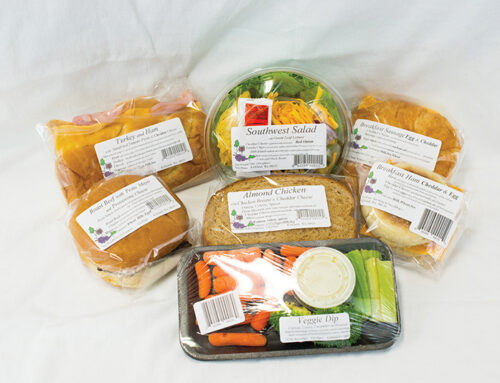
- Diverse fresh meals that encourage staying on-site
- Reliable technology
- Employees feel valued (which supports retention)
The cost of an employee leaving for 20 minutes to buy lunch adds up quickly.
Micro markets significantly reduce that.
Winner: Micro markets.
Are Micro Markets Ever Less Affordable?
Rarely—but yes, in certain situations.
Micro markets may not be the best financial fit if:
- You have fewer than 40–50 employees on-site
- Your building cannot support a dedicated space
- Employees rarely use snack or food services
- You prefer extremely low-cost, limited product offerings
In these cases, vending machines may be the better fit.
When Micro Markets Become the Most Affordable Solution
Micro markets become more affordable than vending machines when:
- Your workforce is 50+ people
- You want healthier, fresher options
- You want to reduce employees leaving for food
- You value employee satisfaction & retention
- You want cashless convenience
- You need reliable 24/7 service
- You want tailored product choices (gluten-free, energy drinks, protein meals, etc.)
In these workplaces, the micro market practically pays for itself through increased productivity and morale—while still costing the employer nothing.
Conclusion: Yes, Micro Markets Are More Affordable—Just in a Different Way
Micro markets and vending machines both offer no-cost options for employers.
But micro markets deliver far more in terms of:
- Employee value
- Freshness and variety
- Pricing flexibility
- Technology integration
- Reduced unproductive time
- Higher overall usage
For companies with enough foot traffic, micro markets are the more affordable and more valuable breakroom solution in 2026.
If you’re considering offering healthier food, snack, and beverage options for your team, Tassi Vending makes it easy. Whether through full‑service vending machines or a micro‑market setup, we can help you create a break‑room experience that’s better for health, morale, and business.
📞 Call us today at 206‑240‑0755
🌐 Visit tassivending.com
We serve Seattle, Renton, Tacoma and the surrounding counties.
Let’s work together to make the healthier choice the easiest choice for your workplace.