Deciding between traditional vending machines and a micro-market food vending setup is an important choice for businesses in today’s workplace landscape — especially in regions like Seattle, Washington, where employee amenities and workplace convenience matter. Today’s author with Tassi Vending, a trusted provider of workplace breakroom solutions, breaks down the key cost differences, helping business owners understand which option may provide better value for your space and people.
Cost to Your Business: Upfront and Ongoing
One of the biggest surprises for many employers is that in most cases, both vending machines and micro markets are installed and maintained at no cost to your company. Providers typically cover equipment, installation, restocking, maintenance, and inventory — while you simply provide a space with electrical access. So right away, you’re not paying a lease, rent, or ongoing service fees for either vending solution.
However, what varies is the type of value and costs passed on indirectly — mainly through employee usage patterns and productivity outcomes.
Comparing Traditional Vending Machines
Low Perceived Upfront Costs
- Traditional vending machines generally cost nothing upfront to a business owner because providers operate them on revenue-share or leasing models.
Limited Variety and Selection
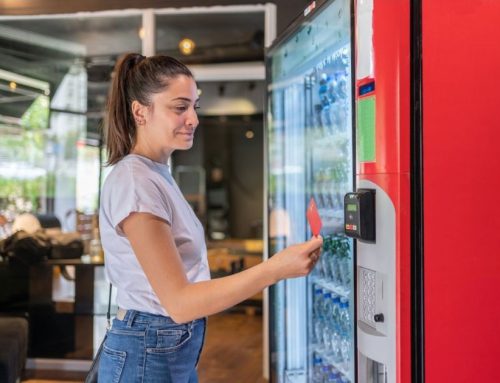
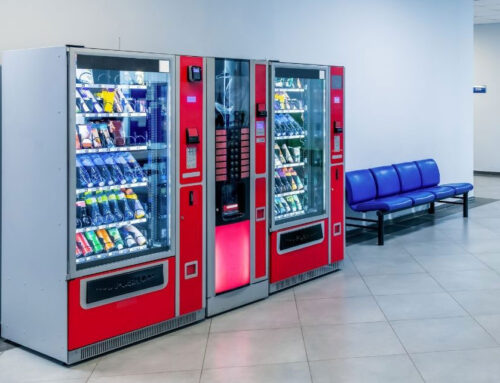
- Machines have small capacities and limited types of products like sodas, chips, and candy.
Ongoing Limitations
- With limited options, employees may leave the workplace to find food, which can translate into lost time and lower workplace satisfaction — a cost that’s harder to quantify but still very real for employers.
Comparing Micro-Market Food Vending
No Upfront Cost for Employers, but More Value
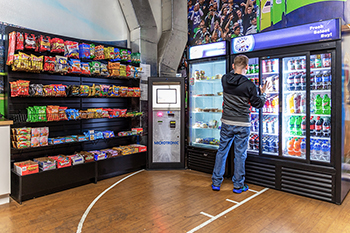
- Like vending machines, most micro markets are set up and stocked without paying the business directly, but micro markets provide far more variety — from fresh meals to snacks and specialty beverages.
Greater Product Variety = Better Value
- Micro markets enable larger assortments and often lower prices per item compared to vending machine prices. For example, a bottled beverage can be cheaper in a micro market than in a traditional vending machine.
Lower Waste and Better Stock Management
- Because of barcode tracking and smarter restocking, micro markets tend to have less spoilage and waste than vending machines.
Productivity and Satisfaction Impact
- Micro markets give employees more fresh food and lunch options, reducing the need to leave work for meals. While this isn’t a direct out-of-pocket cost, it does affect overall workplace productivity and satisfaction — especially at larger workplaces.
Product Pricing Differences
One practical cost difference actually shows up when employees purchase items:
- Vending Machine Items: Prices tend to be higher because of limited selection and little flexibility in pricing.
- Micro-Market Items: Because of the open-market format, competition between products and fresher items often means lower costs per unit for employees and better value overall.
This pricing advantage can make micro markets feel more affordable for employees — and indirectly, more attractive for businesses seeking amenities that employees love.
Which One Is Right for Your Business?
Vending Machines May Be Better If
- Your workforce is smaller
- You have limited breakroom space
- Your employees only need basic snack and drink options
Micro Markets Are Better If
- You have a larger team (often 40–50+ people)
- You want healthier, fresher choices
- You want to improve productivity by keeping employees on site during breaks
- You want more variety and pricing options than typical vending can offer
Final Thoughts
In terms of direct costs to your business, neither traditional vending machines nor micro markets typically require upfront investment from employers — and both can be installed and maintained by a provider like Tassi Vending at no charge.
However, the real cost difference shows up in experience, product selection, pricing for employees, and workplace value. Micro markets often deliver greater diversity, better pricing, and improved overall employee satisfaction and productivity, which can make them more cost-effective in the long run — especially for larger workplaces.
If you’re evaluating breakroom refreshment options for your business space in Seattle, Washington, or the surrounding area, talking with a team like Tassi Vending can help you weigh these costs and benefits based on your specific needs.
If you’re considering offering healthier food, snack, and beverage options for your team, Tassi Vending makes it easy. Whether through full‑service vending machines or a micro‑market setup, we can help you create a break‑room experience that’s better for health, morale, and business.
📞 Call us today at 206‑240‑0755
Visit tassivending.com
We serve Seattle, Renton, Tacoma and the surrounding counties.
Let’s work together to make the healthier choice the easiest choice for your workplace