A Look Inside the Future of On‑Site Retail
Today’s author with https://tassivending.com/ shall explain the Micro-Market food vending business.
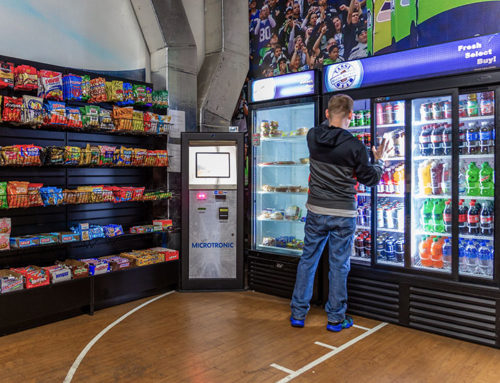
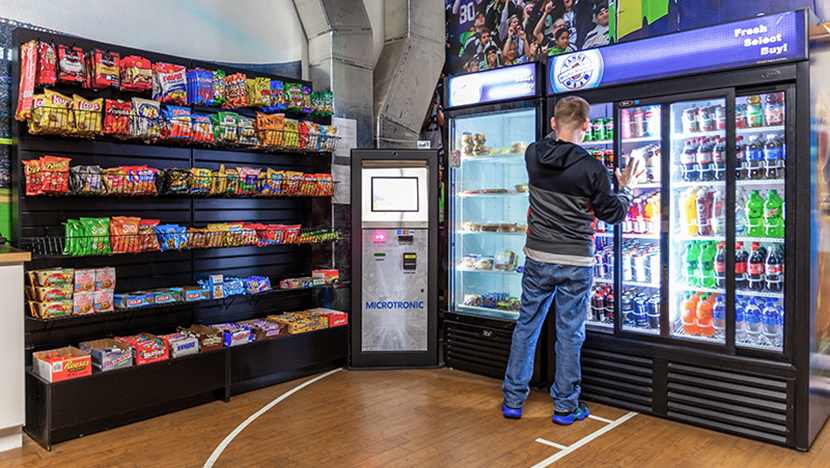
You’ve probably seen something like this: shelves stocked with snacks, a cooler with drinks, fresh grab‑and‑go items, and a checkout kiosk—but no cashier. That’s a micro‑market store in action. A model that blends the convenience of vending machines with the variety and openness of a small convenience store. Let’s unpack what a micro‑market is, how it works, and why more workplaces, offices, schools, and venues are choosing them.
What Exactly Is a Micro‑Market?
A micro‑market store (or simply micro‑market) is an unmanned, self‑service retail space typically installed inside another facility—an office building, factory break room, apartment complex, hospital, or co‑working space. Rather than relying solely on vending machines, micro‑markets have:
- Open shelves and display racks with snacks, candy, and non‑refrigerated goods. kkvendingllc.com+2micromarkets.us+2
- Refrigeration units or coolers for drinks, fresh food, or refrigerated meals. hoivend.com+2reditoserve.com+2
- A self‑checkout kiosk or payment station. Customers pick items, scan them (or use sensors / RFID / weight sensors in some systems), and pay via credit/debit, mobile wallet, or other cashless options. nayax.com+2wcvending.com+2
- Usually, no dedicated staff stationed at the market; instead, these spaces are serviced regularly (restocking, cleaning, maintenance) by a route driver or vendor. hoivend.com+2Texas Health Services+2
Because of this setup, micro‑markets offer a wider range of products compared to individual vending machines, more fresh‑food options, and a more open, flexible experience for the user. Wikipedia+2tenmvending+2
How a Micro‑Market Works: The Process
Here’s what happens behind the scenes and what a customer can expect.
- Setup & Location Selection
A micro‑market is installed in a location with enough traffic or foot flow (e.g. employees, residents, visitors) to support it. The space needs to be somewhat secure—many micro‑markets are in “closed locations” (i.e. accessible only to authorized people) to reduce theft or misuse. hoivend.com+1 - Product Offering & Variety
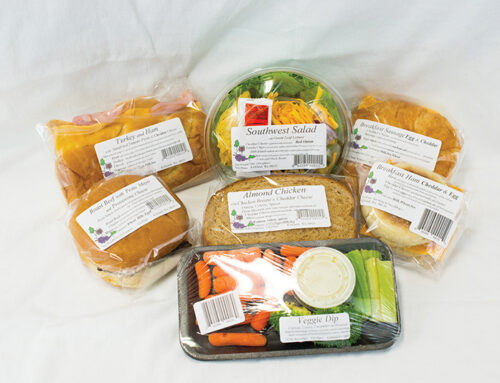
Vendors stock a mix of traditional snack items (chips, candy), beverages (both refrigerated and room temperature), healthier or fresh food options (salads, sandwiches, fruit), and sometimes frozen treats or sundry items. The idea is to give users more selection than a standard vending machine. hoivend.com+2tenmvending+2 - Self‑Checkout & Payment Options
Users select what they want, scan the item(s) or use a system that senses what they’ve picked, then pay at a kiosk. Modern markets support multiple payment methods, including credit/debit cards, mobile wallets,/or dedicated company payment accounts. Some even support cash in certain setups. kkvendingllc.com+2wcvending.com+2 - Maintenance & Resupply
Even though there’s no full‑time cashier, micro‑markets are not self‑maintaining. Staff from the vendor or service company will schedule visits to restock or remove expired items, clean refrigeration units, and ensure everything is working properly. Security measures—like cameras or monitoring—are often in place to deter theft or misuse. hoivend.com+2Texas Health Services+2
Advantages of Micro‑Markets
For businesses, property owners, and end users, micro‑markets offer several key benefits:
- More product variety: Users get access to many more snack, drink, and fresh‑food options compared to what typical vending machines provide. Wikipedia+1
- Fresh & healthier options: Because of the open shelf and cooler setup, fresh food can be offered, which appeals to people looking for wholesome choices. tenmvending+1
- Convenience & 24/7 access: Many micro‑markets are accessible around the clock (depending on facility access), allowing people to grab a bite without having to leave the property or wait for a cafeteria to open. wcvending.com+2vendingexchange.com+2
- Efficiency for employers: With a micro‑market on‑site, employees spend less time leaving for snacks or meals, which can help productivity. Also, it can be a perk that boosts morale and shows care for employees’ wellbeing.
- Lower labor costs vs. full-service food service: Since the model is self‑service and unmanned most of the time, staffing costs are lower compared to a cafeteria or full food service model.
Challenges & Things to Consider
Like any business model, micro‑markets have trade‑offs and things that need careful planning:
- Space and layout requirements: You need space for shelving, coolers, and the kiosk. Also, consider traffic flow, lighting, and cleanliness.
- Health & safety regulations: Especially for fresh or refrigerated foods. Vendors must monitor expiration dates, refrigeration temperatures, and food safety practices. Clermont County Public Health+1
- Security and shrinkage: Because these are often unmanned, there can be issues with theft or misuse; many operators use cameras, locks, sensors, or secure access systems.
- Reliable restocking & maintenance: If products are not kept fresh, machines / coolers not kept clean, or items are out of stock often, customer satisfaction drops.
- Choosing the right product mix: Every location is different. What employees or residents like in one place may not suit another, so tracking usage, feedback, and adjusting offerings is key.
Why Micro‑Markets Are Gaining Popularity
In recent years, micro‑markets have grown fast, and for good reasons:
- https://tassivending.com/ offers more flexibility than vending machines, better scalability, and better customer satisfaction because of variety and freshness. vendingexchange.com+2Wikipedia+2
- Technological advances make payments seamless and inventory tracking more precise, which improves profitability.
- Health, wellness, and demand for fresh/healthy options are trends that micro‑markets address well.
- Buildings or companies are increasingly looking for ways to provide convenience amenities to employees or tenants without the high cost and logistics of a cafeteria.
How Tassi Vending Fits In
At Tassi Vending, https://tassivending.com/ we’re excited by what micro‑markets can offer. We specialize in providing turnkey solutions—helping you select the best location, install the setup, choose a product mix, maintain equipment, and deliver reliable restocking service. Whether you’re looking to upgrade your break room, offer more than just vending machines, or give your staff / tenants something healthier and more convenient, a micro‑market might be the right move.
Call Us Today for Free Vending Quotes: 206-240-0755
Is a Micro‑Market Right for You?
Here are some quick questions to help you decide:
- Do you have a facility (office, apartment complex, hotel, hospital, etc.) with enough people who could use on‑site food / snack options?
- Is there space that can be configured for shelves, coolers, and a self‑checkout point?
- Would your population appreciate more fresh or healthier food options?
- Are you okay with giving up some control (vs. staffed food service) in exchange for lower operating costs and simpler logistics?
- Can you partner with a vendor who reliably maintains and cleans the install, restocks regularly, and ensures food safety?
Conclusion
Micro‑market stores are transforming the way people access snacks, drinks, and fresh food in workplaces, residential buildings, and shared facilities. They marry the variety and openness of convenience retail with the automation and simplicity of vending. For many businesses, it’s a win‑win: happier occupants, fewer vendor frustrations, lower overhead, and modern convenience.
If you’re curious about setting up a micro‑market store, want help designing the space, or want to explore what product mix works best for your people, reach out to Tassi Vending—we’d love to walk you through your options.